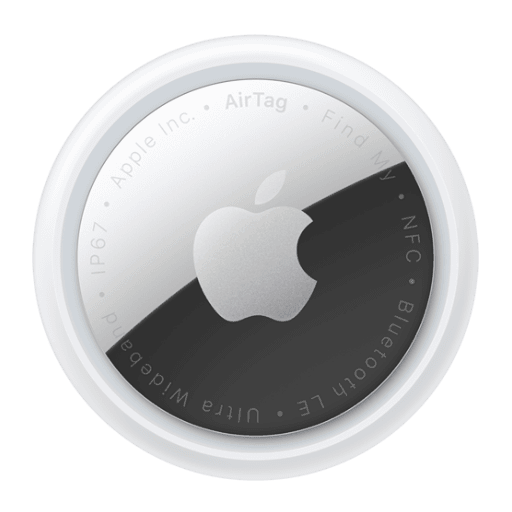
AirTag (2nd generation)
Buy Now
Early Cycle
What was lost is now sound.
Days Since Release 257 days
2026-01-26
Compare release timing and buying advice across 3 current products.
Buying timing is estimated from historical release cycles and the age of the current product, for reference only.
What was lost is now sound.
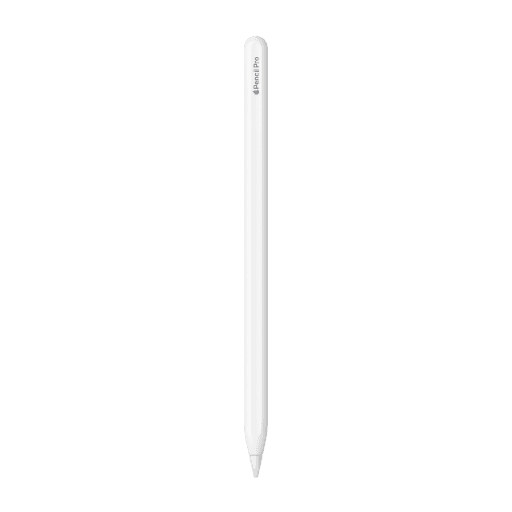
Just focus on which iPad models are compatible with Apple Pencil.
Supports pressure sensitivity, squeeze, barrel roll, haptic feedback, and Find My, and pairs and charges when attached to iPad. It works only with iPad Pro (M4 and M5), iPad Air (M2, M3, and M4), and iPad mini (A17 Pro). Earlier iPad Pro models and iPad (A16) are not supported, so check your model before buying.
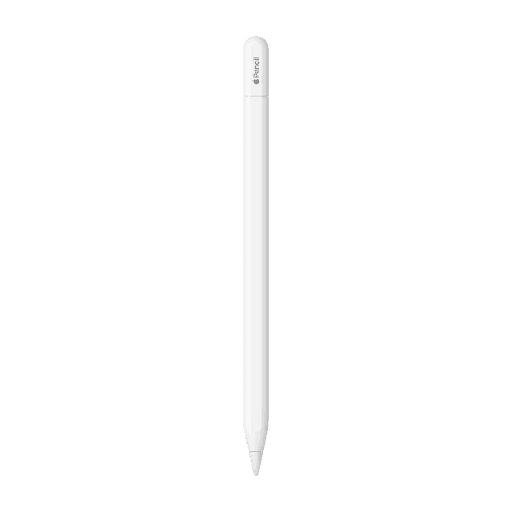
Just focus on which iPad models are compatible with Apple Pencil.
A good fit if you mainly write and annotate. It supports tilt but not pressure sensitivity, and has no double tap, squeeze, or Find My. It pairs and charges only through a USB-C cable; attaching it magnetically to iPad does not charge it. Works with iPad models that have a USB-C port, including iPad (A16) and iPad (10th generation). If your iPad supports Apple Pencil Pro and you need pressure-sensitive drawing, choose Pro.
First Generation
Not enough release history